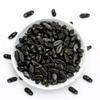
Candy Class: The Bold World of Black Licorice
, by Nichole Patterson, 1 min reading time
, by Nichole Patterson, 1 min reading time
Welcome back to Candy Class!
Today's topic is one that splits a room fast: black licorice.
Where it comes from: Licorice root (Glycyrrhiza glabra) has been used for thousands of years, from ancient Egypt to traditional Chinese medicine. The Dutch and Scandinavians turned it into candy starting in the 1600s — and the Scandinavians added a twist: salt.
Salty licorice, a Nordic signature: Salmiak gets its sharp bite from ammonium chloride, originally added as a preservative. It's an acquired taste even for locals, but it's a lördagsgodis staple you'll find in every lösgodis wall across Sweden, Finland, Norway, and Denmark.
How it's still made: Real licorice root extract is boiled with sugar and molasses, then shaped into ropes, coins, and diamonds — largely the same process as centuries ago. (Fun fact: a lot of "licorice" in the U.S. is actually just anise flavoring with no real root at all. The European imports we carry are the real thing.)
Health benefits, in moderation: Real licorice root has traditionally been used to soothe upset stomachs, ease sore throats, and it carries mild anti-inflammatory and antioxidant properties. The catch — glycyrrhizin, its signature compound, can raise blood pressure in large amounts, so this is a "enjoy a handful" candy, not an "eat the bag" candy.
Grab a scoop from our lösgodis wall and see where you land on the licorice divide.
Until next time —
Nikki